
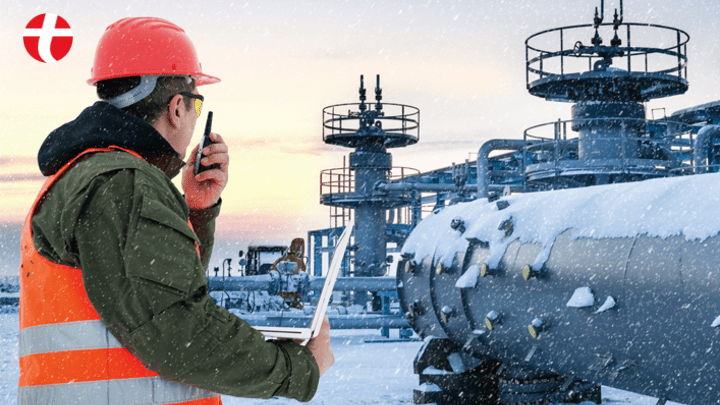
The energy situation in Europe this winter has been more or less stable, despite the initial fears of a cataclysmic crisis. This stability is due to a mixture of good preparation and policies led by the EU and a mild winter.
The EU invested heavily in shoring up supplies before the winter of 2023, with an investment of close to $800B, similar to the Covid levels of investment. Moreover, they also increased energy prices, forcing people to reduce their usage. Additionally, local policies were implemented, such as ambient temperature thresholds for business and government facilities that curbed consumption. Combined with the mild winter, these measures resulted in the stable energy situation we are in today.
However, the question of how hard the next winter will be for European energy consumers depends on the weather and continued engagement by governments. As long as governments don’t become complacent or overconfident with their current supplies, and as long as we don’t have historic low temperatures next winter, energy stockpiles should be secure.
Considering the Balkan countries, with Serbia being the last holdout in increasing energy rates, the IMF and Serbian authorities have suggested that gas prices go up significantly in Serbia because they are too low now compared to all other countries. This suggestion is because higher gas and electricity tariffs are needed for Serbia’s energy companies’ medium-term cost recovery. The total losses at EPS and Srbijagas from the previous and current heating seasons could reach 2 billion Euros. Therefore, the Government has committed itself to raise electricity prices by 26% and natural gas by 30% from May 2023 to May 2024.
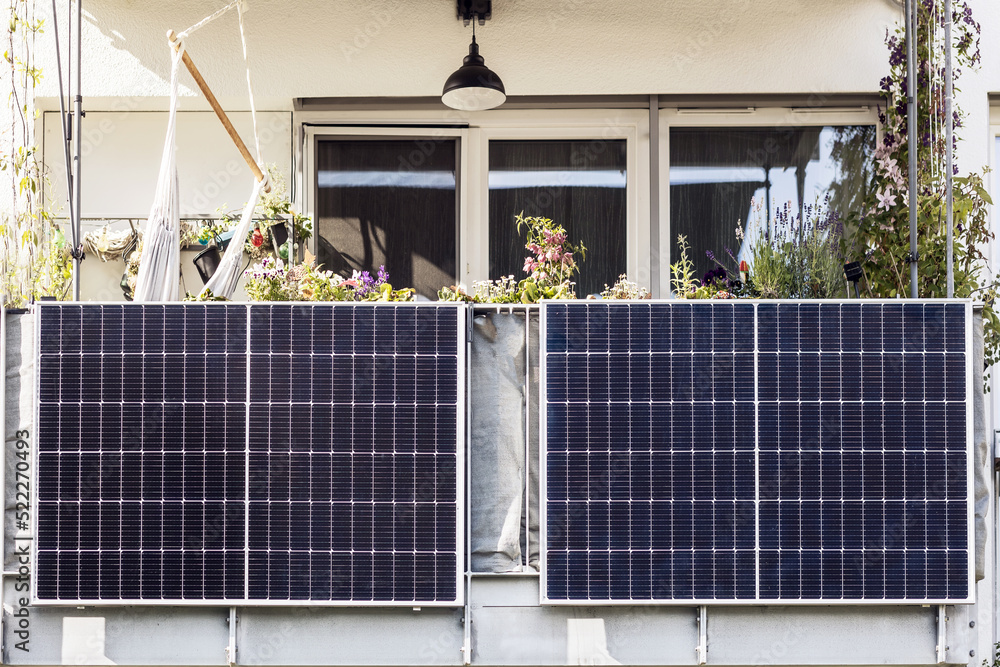
Regarding the future of energy in Europe, Germany is proposing a new law that is causing a big uproar among the public. The draft proposes that every newly installed heating body must have at least 65% renewable energy as of January 1, 2024. This new regulation could come at a high cost for most Germans. While the EU is speeding up its green energy solutions and policies, it is unlikely that gas and oil will be left behind faster than we all thought. Experts say that oil usage will peak in 2030 and might only be obsolete in the middle of the century. Therefore, the only current realistic model is a mix of fossil fuels and renewable energy.
It is also essential to consider that the policies that Germany and the EU are promoting to speed up green energy adoption are not very sustainable for countries with a lot to develop in the renewable technology stratosphere. Fossil fuels, like high-grade, low-ash coal from Kazakhstan, should be part of the picture, along with renewables, especially for countries with massive deficits, where managing energy costs is vital. There has to be a balance between bold and realistic movements that cater to all countries in the Union for the policies to stick.
 TELF AG
Leave a comment